


There is a specific kind of dread that comes with walking into your premises on a Monday morning only to be met with the smell of spoiled stock. A freezer failure over the weekend can cost a business thousands of pounds in lost inventory, but that is only half the story. There is also the loss of trade while you wait for replacements, the stress of dealing with insurance claims, and the crushing disappointment of having to turn customers away. In my years at Hawk Safety, I’ve heard these stories too often, and almost every one of them was preventable.
I’m often asked, “Why do I need automated monitoring if my staff check the fridges twice a day?” The answer is simple: what happens during the other 22 hours? A fridge doesn’t wait for a scheduled check to break down. It usually happens in the middle of the night, or perhaps a door doesn’t quite seal properly after a delivery at 5:00 AM. By the time a human walks in at 9:00 AM to take a manual reading, the damage is already done. The temperature has risen, the bacteria have grown, and the stock is destined for the bin.
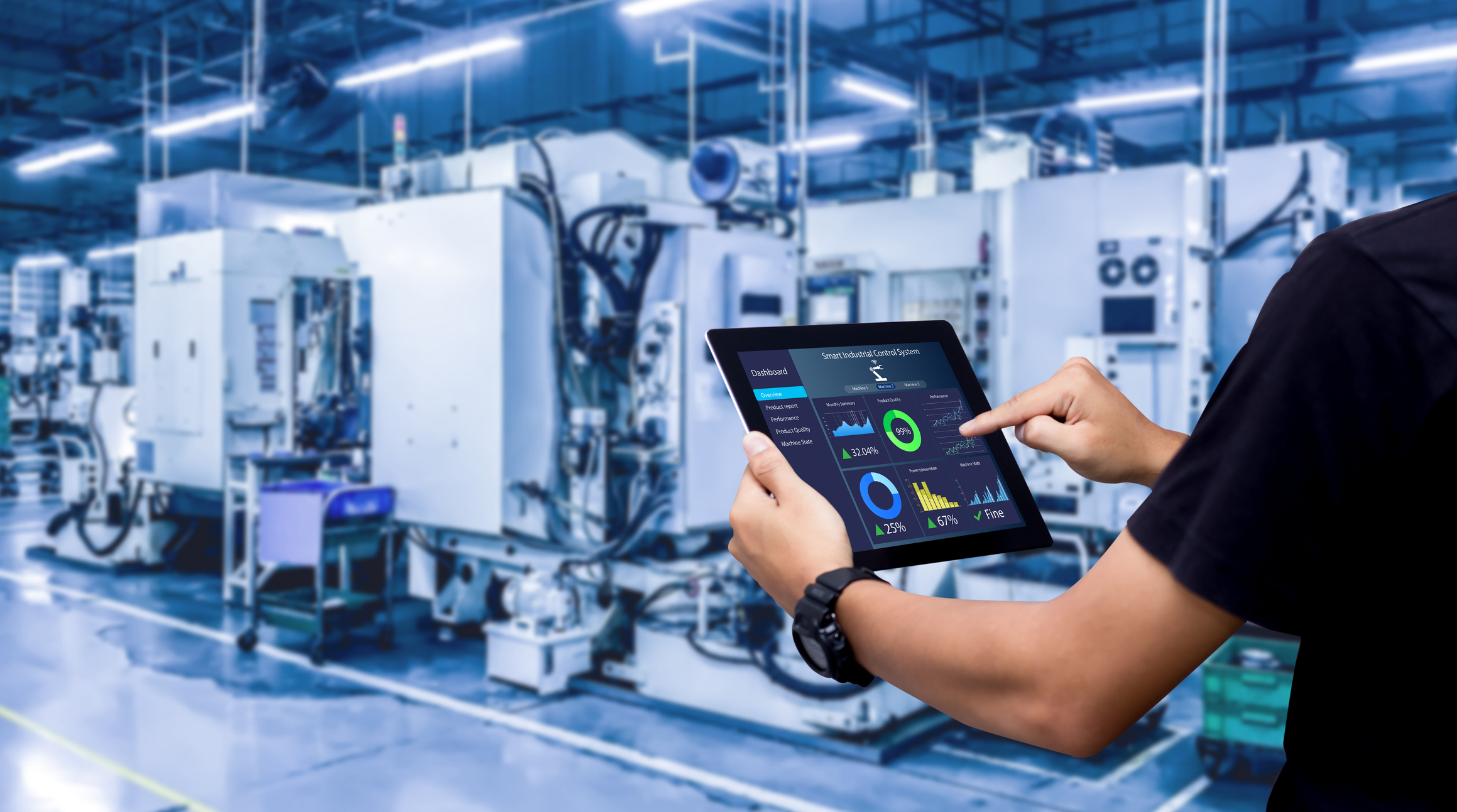
Our Hawk Monitor system was designed to be the “silent guardian” of your inventory. It doesn’t sleep, it doesn’t take bank holidays off, and it never forgets to check a sensor. By installing wireless sensors inside your cold storage, you are effectively creating a 24/7 heartbeat monitor for your business. If a compressor fails or a door is left ajar, the system notices the temperature spike immediately. Instead of waiting for a human to find the problem, the system sends an instant alert to your phone or email.
I remember a specific client who ran a high-end pharmacy. They held tens of thousands of pounds worth of temperature-sensitive vaccines. One Saturday night, a power circuit tripped. Because they had Hawk Monitor installed, the manager received a notification on his phone while he was out for dinner. He was able to get to the site, move the stock to a backup fridge, and save the entire batch. Without that alert, he wouldn’t have known until Monday morning, and the financial loss would have been staggering. That is the difference between “monitoring” and “reacting.”
But it’s not just about the “disaster” scenarios. Automated monitoring provides a level of data granularity that manual checks can’t touch. Have you ever wondered if your fridges are struggling during the heat of a summer afternoon? Or if the defrost cycle is running too long and pushing your products into the “danger zone”? Hawk Monitor shows you the trends. You can look at a graph and see exactly how your equipment is performing. This allow you to call out an engineer for a service before the machine actually breaks, moving you from reactive maintenance to proactive care.
In the current economic climate, where food and energy costs are through the roof, stock loss is a luxury no one can afford. Beyond the financial aspect, there is the moral obligation to reduce waste. We live in a world where wasting thousands of pounds of perfectly good food due to a mechanical glitch feels increasingly unacceptable. By investing in automated monitoring, you are protecting your bottom line, your reputation, and your peace of mind. You can finally go home, turn off the lights, and know that if anything goes wrong, Hawk has your back.